The Conscription
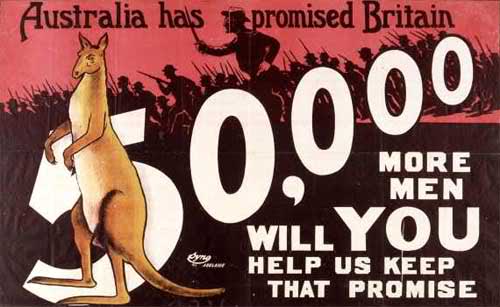
Borden promised Britain 500,000 men, 1/3 of military aged men in Canada and had met the goal, but with injured and dead soldiers this number was not enough. Originally Borden promised no conscription but all other British alliances had conscription in place, (Australia, United States, New Zealand, and Britain), so the Canadian Government finally gave in to forcing their men to war. On May 18, 1917 Borden announced the Military Service Act which forced all men of military age to go to war with a few exemptions. The exemptions were the disabled, members of clergy, those with essential jobs or specials skills and conscientious objectors. The issue of conscription divided Canada among Cultural lines.
The Beginning of the War
On August 4 1914 Canada entered World War as part of the British Empire. The Minister of Canadian Militia Sam Hughes was ordered by Britain to create a militia of 25,000 men. At the end of August there was a training camp in Valcartier, Quebec. The first group of troops contained 31, 200 men and were called “Canada's Answer”. On October 14 the group of men arrived in Britain for further training. Of the 31,200 men very few were French Canadians. After this group of men arrived in Britain more were needed and the Government expected 150,000 volunteers by 1915.
The Division
There was a rift between French and English Canadians because English Canadians believed that the French Canadians were not taking fair part in the effort for the war. Of the 432,000 men volunteers only 5% were French Canadian. The French Canadians did not feel compelled to join the war because they felt no loyalty to Britain to while English Canadians still felt loyalty to Britain.
With the lack of French Canadian presence in the war effort Quebec felt pressure from the government to create a French-speaking war unit. The unit 22nd French Canadian Battalion CEF despite resistance from Henri Bourassa and many other French Canadians. The 22nd French Canadian Battalion was one of many other small French-speaking war units but all others were disbanded to create replacements for the group who lost 4,000 men due to injury and death.
The Need for More Soldiers
The war was continuing on and people back home were learning of the poor conditions in the trenches and the number of casualties the war was taking, This resulted in a severe lack of volunteers from back home in Canada. At Battle Somme 85% (24,000 men) of the Royal Newfoundland Regiment were killed in half an hour, and at the Second Battle of Ypres 6,000 men were killed and 10,000 men were killed at Vimy Ridge. With the amount of men killed and injured and lack of volunteers Britain put the pressure on Canada to start conscription.
