The Easter Riots
On Easter Weekend, 1918 the real riots broke out. The official number of civilian deaths is not certain, however official reports from the day state that five men were killed by gunfire. Of the soldiers, thirty-two were wounded with no deaths. Come Monday, April first, the riots were over with a supposed one hundred fifty casualties and an estimated three hundred thousand dollars in damages.
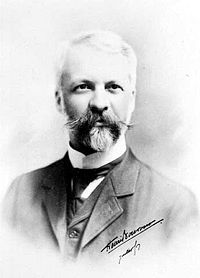
Henri Bourassa
Henri Bourassa, a Quebec nationalist and outspoken critic of the potential conscription, had many arguments opposing the draft. They had lost enough men and spent enough money on a war that had little to do with the emerging independent nation of Canada. Contributing even more troops and more money would only further bankrupt the young country. It would also cause enormous damage to the agricultural and industrial sectors without the men who needed to be working there. A weakened economy would threaten Canada's tentative political independence because the government would need to be bailed out by others and this debt would divide the nation.
The Tension Builds
Months later the citizens of Quebec, angered by the results of the conscription election, went marching through the streets of Montreal Chanting “A bas Borden,” which translates to “down with Borden.” Canadian troops were brought into Montreal and they began taunting the French Canadians about being to cowardly to join the military. All of these factors built to the boiling point of French-Canadiens snapping and throwing rotten vegetables and stones at the soldiers.
